Red Light Therapy: How It Works and What to Know Before Using It at Home
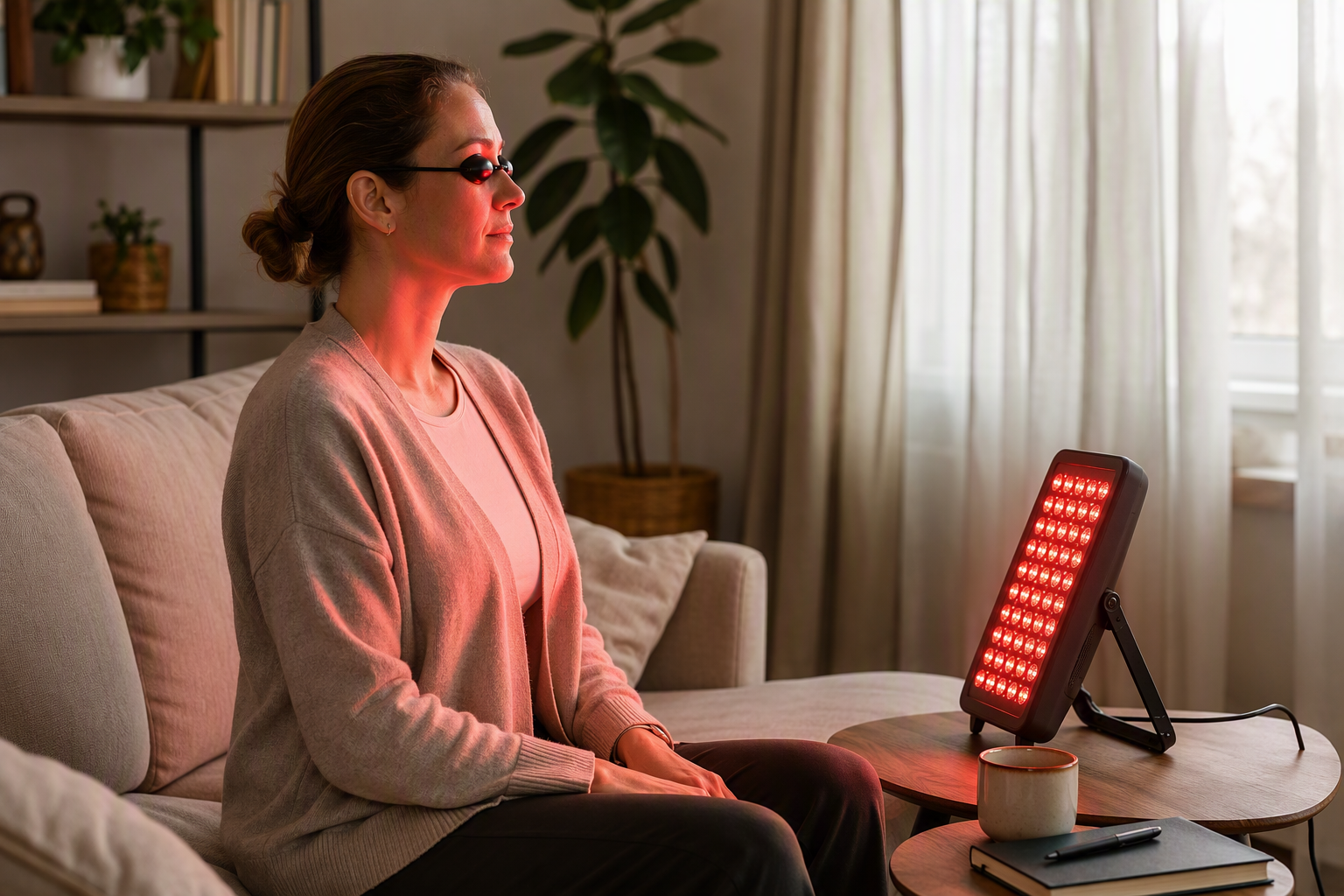
Red light therapy has moved from dermatology clinics into living rooms over the past decade, thanks to smaller, more affordable devices that promise many of the same benefits once reserved for professional treatment rooms. The appeal is easy to understand: a non-invasive light treatment that requires no downtime and can be done while watching television or working at a desk. The science behind it is more nuanced than the marketing often suggests, and understanding how the light interacts with skin and tissue helps separate reasonable expectations from wishful thinking.
At its core, red light therapy relies on specific wavelengths of visible red and near-infrared light that penetrate the skin without generating the heat associated with cutting or ablative lasers. Researchers call this mechanism photobiomodulation, a term describing how light energy influences cellular activity without damaging tissue. Most consumer devices rely on LED light therapy rather than lasers, which tends to make them gentler for unsupervised home use. Before buying a device, it helps to know what the research supports, how clinical and home units differ, and what precautions matter for regular use.
The Science Behind Photobiomodulation
Photobiomodulation uses nonionizing red and near-infrared light, typically within specific wavelength ranges, to influence biological processes in cells. Research into red light therapy has examined its effects on areas such as skin health, recovery, and pain. Red Light Skin Lab publishes guides and reviews on at-home red light therapy devices, including how wavelengths, device formats, and intended uses differ.
This differs from ultraviolet light, which carries enough energy to alter DNA directly and raises skin cancer risk with overexposure. Red and near-infrared wavelengths sit lower on the spectrum and are considered nonionizing, without that same risk of direct genetic damage. Some reviews also note that red light may influence nitric oxide release and local circulation, which researchers believe contributes to reported effects on skin tone and texture. This research is still evolving, and results vary by wavelength, dose, and condition studied.
What Red Light Therapy Is Commonly Used For
Skin rejuvenation is the most widely marketed application of at-home light therapy, with panels and masks positioned for regular, cumulative use rather than one dramatic transformation, since the underlying cellular changes happen gradually. Near-infrared light therapy has also been studied for muscle recovery and joint discomfort, on the reasoning that an energy boost to soft tissue cells and modest inflammation reduction may speed recovery. Clinical devices used in physical therapy settings typically run at higher power than consumer products, a distinction worth remembering when comparing claims.
Some people also use LED light therapy for scalp health or general relaxation, though these uses have thinner research support than skin and musculoskeletal applications. Checking a product's specific wavelength and power data is a reasonable way to judge how seriously a manufacturer approaches the science behind its claims.
Comparing Clinical Devices to Home Units
Professional equipment generally delivers higher irradiance, shortening sessions and potentially increasing penetration depth. At-home light therapy devices run at lower power, usually requiring longer sessions to approach a comparable cumulative dose, a tradeoff that consistent weekly use can offset. Panels suit larger areas like muscles, while handheld wands and masks target smaller or facial areas; LED spacing within a panel affects how evenly light distributes across skin.
Wavelength accuracy is another divergence point. Reputable manufacturers publish exact nanometer output, since a shift of twenty or thirty nanometers changes penetration depth and which cellular processes are affected. Devices that vaguely describe their light as simply "red" make it harder to judge whether a product matches wavelengths studied in published research.
Practical Precautions Before Starting At-Home Sessions
Eye protection matters, since near-infrared light is invisible but can still affect eyes with prolonged, close exposure; many manufacturers include goggles or recommend closing the eyes during facial treatments. Photosensitizing medications, including some acne treatments and antibiotics, can make skin more reactive to light exposure, so anyone on such medication, managing an active skin condition, or pregnant should check with a healthcare provider first.
Consistency matters more than intensity for realistic results. Because photobiomodulation works through cumulative cellular effects rather than an immediate reaction, sporadic use rarely produces noticeable change. A sustainable schedule, several sessions weekly over months, aligns better with the underlying biology than expecting fast results from occasional use.
Setting Realistic Expectations For Long-Term Use
Red light therapy occupies a middle ground in wellness technology, grounded in genuine biological mechanisms yet frequently oversold in how quickly it can change appearance or comfort. Reading research critically, checking wavelength and power specifications before buying, and treating any device as one part of a broader routine will serve users better than chasing quick transformations, provided basic precautions around eye protection and medication interactions are respected.
|

